
How Does Hearing Loss Impact Outdoor Socializing and Family Gatherings?
A crawfish boil out in Lumberton always draws a crowd, folks gathered

By: admin | August 24, 2026
A crawfish boil out in Lumberton always draws a crowd, folks gathered around picnic tables, kids running through the yard, someone’s radio playing over all of it. If you’ve caught yourself nodding along without really following lately, you’re not the only one.
That kind of noisy, layered gathering is exactly where hearing loss shows up first, long before quiet conversations are affected.
Family cookouts, backyard get-togethers and outdoor events all come with the same problem, too many voices competing at once. For someone with hearing loss, that mix can turn a fun afternoon into an exhausting one.
You end up nodding along, half guessing, hoping nobody asks you a direct question. Eventually some people just stop showing up, and that’s a bigger loss than any missed sentence.
Throw a few people into one conversation and hearing loss stops hiding. Someone cuts in, someone else starts a whole new story, and suddenly the topic’s changed and you missed how.
All those voices stacking on top of each other make it hard to even tell who’s talking, let alone what they said.
Keeping up often requires more concentration than anyone around you realizes. You may catch part of one sentence, miss the next comment and then try to piece together what happened.
As listening fatigue builds, joining the conversation may become harder. You might hesitate before speaking because you are unsure whether the topic has changed. Staying quiet can feel easier than risking a response that no longer fits the discussion.
Conversations outside just work differently, there’s no wall bouncing sound back toward you. Voices get thinner as they cross a yard, patio or open space. Toss in a little wind and it swallows whole chunks of what someone’s saying.
East Texas doesn’t make it any easier either. The Piney Woods humidity and the breeze that comes with it add their own problems.
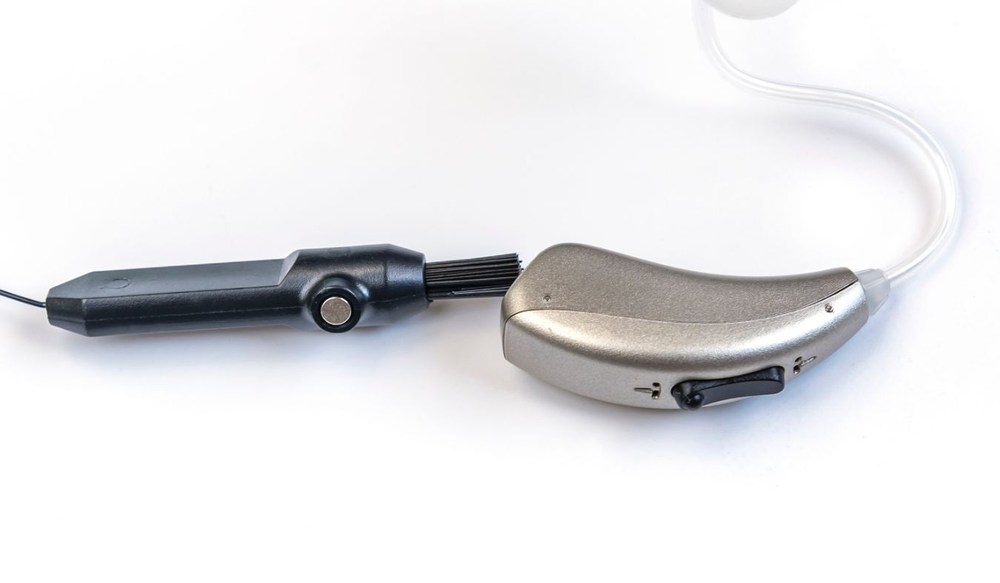
That moisture can wear on hearing aids too, especially after a long stretch outside. Sweat and humid air creep into microphones, battery compartments and anywhere else with an opening.
Distance makes all of this worse. A voice that comes through clear in a quiet living room can turn into mush at the same distance outdoors. Standing closer to whoever’s talking cuts down how much gets lost before it ever reaches your ears.
Outdoor hearing is not only about understanding speech. It also helps you notice what is happening around you, from approaching vehicles to someone calling from farther away.
Hearing loss can make those sounds easier to miss or harder to locate. You may hear a sound without immediately knowing where it came from, especially in open spaces with several competing noises.
That reduced awareness can make outdoor gatherings feel less predictable. Paying attention to visual surroundings and staying aware of nearby activity can help fill in some of the information your ears may not catch.
Some early hearing changes show up in behavior before anyone recognizes them as hearing problems. You may smile when everyone else laughs, nod through a story or watch another person’s face for clues. Those reactions can help cover gaps in what you actually heard.
There may also be moments when you realize everyone else remembers part of a conversation that you missed. Family updates, jokes or side comments can pass without you noticing them at the time. You are still part of the gathering, but parts of the experience may feel increasingly out of reach.
That disconnect can be subtle at first. You may leave an event knowing you were present for every conversation while still feeling like you missed pieces of what brought everyone together.
Have you ever answered a question only to realize you misheard what was being asked? Moments like that can create awkwardness or frustration with family, even when everyone means well.
Do that enough times and it wears people down. A spouse gets tired of repeating themselves. Kids stop bothering to share the little stuff because they figure they’ll just have to say it twice anyway.
It’s frustrating on the other end too. Asking “what?” for the tenth time in an hour gets old, and honestly a little embarrassing. That frustration can come out as impatience, even in conversations that used to feel easy.
Eventually, families just adapt around it without really noticing. Someone starts raising their voice out of habit. Someone else answers questions on your behalf. Or people just stop explaining things twice and let the conversation die instead.
Seeing the person speaking can provide information that hearing alone may not capture. Facial expressions, mouth movements and gestures can help clarify words when parts of speech are difficult to hear.
Outdoor lighting can either support those cues or make them harder to use. A face covered by deep shade may be difficult to read. Bright sunlight behind the speaker can create the same problem.
Position yourself where the speaker’s face is clearly visible without glare behind them. Hats and sunglasses can also hide expressions that help provide context. Turning toward each other while talking can make those visual details easier to follow.
Where you sit can affect how easily you follow a conversation outdoors. Even moving a few feet away from a noisy area can make voices easier to hear. It helps to choose your spot before the conversation gets going.
Sitting closer to the people you want to hear and farther from competing noise can make listening feel less difficult. Look at where voices, music and other sounds are coming from before settling in. Then choose a spot that gives speech an advantage:
Clear conversations usually start before anyone even says a word. Most people have no idea a few small habits could make speech way easier to follow. Telling them exactly what helps can save you both from repeating things over and over.
Try establishing a few simple habits with the people you spend time with most:
Assistive listening devices (like CaptionCall, for example) step in when distance or background noise makes speech hard to catch. A lot of these systems send the speaker’s voice straight to you instead of relying on it to travel through the air first.
Remote microphones work well for this, whether you’re across a table or spread out in a backyard. Whoever’s talking wears or holds the mic, and you get the signal straight through your hearing technology. Some systems will even connect to your phone or other audio sources for a more direct feed.
An audiologist can explain which technologies work with a person’s hearing aids, communication needs and typical listening situations. The right option depends on where difficulty occurs and how the technology will be used.
Struggling to hear in one loud setting doesn’t automatically mean anything’s wrong. But if it’s happening across a bunch of different conversations, that’s worth noticing. Maybe you’re the only one at the table who didn’t catch what was said.
A few other clues to watch for: mishearing family members a lot, leaning hard on context to fill in gaps, or working harder than you used to just to follow a familiar voice. These changes tend to creep in slowly enough that they start feeling normal.
A hearing evaluation can tell you if that’s actually what’s going on. An audiologist can measure how you’re hearing and walk you through what it means for real conversations, not just a quiet test booth.
Missing out on conversation at a family cookout adds up over the years, even if it feels small in the moment. Our team at Big Thicket Hearing Aids & Audiology can help you figure out what’s actually going on with your hearing.
We’ll talk through the situations giving you the most trouble, from backyard parties to noisy get-togethers. You shouldn’t have to sit on the sidelines of your own family gatherings. Give us a call at (409) 751-2590 to set up a visit. We’ll help you get back to being part of the conversation instead of just watching it happen.
A crawfish boil out in Lumberton always draws a crowd, folks gathered
By: admin | August 24, 2026
Lumberton is not exactly a small town when it comes to going out. There
By: admin | May 18, 2026
The question of whether hearing loss can be reversed is one most people
By: admin | March 25, 2026